01
How historically significant is Horii Shichimeien?
Horii Shichimeien gives 1879 as its founding year. It farms Okunoyama, which the company calls the only surviving working garden of the Uji Shichimeien, seven gardens said by tradition to have been set up by an Ashikaga shogun. The company describes the garden as 600 to 650 years old and says the Horii family took it over in the mid-Meiji period. In 1924 Horii Chojiro developed the Horii-style tencha dryer, which the company says is the model for every tencha dryer used in Japan. In 2010 its tea Narisato won the Minister of Agriculture, Forestry and Fisheries Award at the 64th National Tea Competition.
02
What does Horii Shichimeien cost per gram?
Twelve tracked blends, $0.53/g (Uji Mukashi) to $5.82/g (Uji Fudo) at Horii's own domestic pricing. That's a wide, legible ladder on paper.
03
Can you actually buy it?
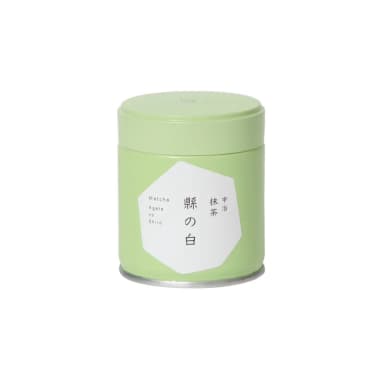
Barely. Zero of Horii's 12 blends are in stock at Horii's own store as of 2026-09-10. Exactly three have any live purchase path at all, and only through a single US reseller, Ujicha Matcha, at a steep markup over the domestic price: Uji Mukashi ($0.53/g domestic → $1.83/g resold), Agata no Shiro ($0.69/g → $2.17/g), Choukou no Mukashi ($2.33/g → $5.17/g). The other 9 blends — including the $5.82/g Uji Fudo — have no live purchase path anywhere we track.
04
Is the reseller markup worth paying?
Uji Mukashi at $1.83/g. Yes. That's mid-tier pricing for the base ceremonial grade from a 600-year garden with no direct substitute — there's nothing else on this site with that provenance at that price. Choukou no Mukashi at $5.17/g is a harder call: that's ultra-premium pricing and we have no flavor scores to justify it. Don't buy Choukou no Mukashi to find out; buy Uji Mukashi if the provenance is what you're after.