01
What does Gokou matcha taste like?
Gokou is dense, savory-sweet, and full-bodied. Both scored blends in our database: umami 9, bitterness 2, sweetness 8, body 9 — one of the most consistent high-floor profiles we track. Bitterness 2 means no edge at koicha concentration either. Closest in character to Samidori, but slightly richer in texture.
02
Why is Gokou matcha hard to find?
Production is concentrated in Uji's Shirakawa district, a fraction of Yabukita or Samidori volume. We found no single-cultivar Gokou in stock on 2026-10-07.
03
Which Gokou matcha blends can I buy in the US right now?
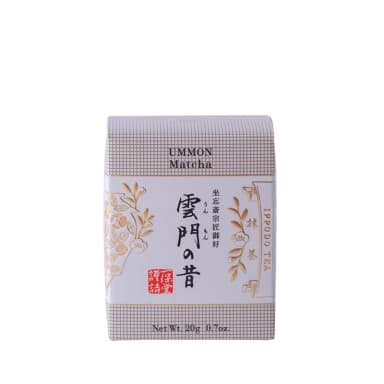
Ippodo Ummon-no-Mukashi, a Gokou-Samidori blend (umami 9, bitterness 2, body 9). It is in stock: $1.58/g at Ippodo Japan, $2.05/g at Ippodo USA.
04
Is Gokou matcha suitable for koicha?
Yes. Body 9, bitterness 2 — Gokou is koicha-capable. Thick preparation amplifies the savory density without adding harshness. Ippodo recommends Ummon-no-Mukashi for koicha; our scores support it. For a body-9 blend it sits at a reasonable koicha entry price. Single-cultivar Gokou at koicha weights runs higher and is constrained right now.