01
What makes a matcha good for daily drinking?
Three filters separate a daily matcha from an occasional treat. First: low bitterness (4 or below). Bitterness above 5 is fatiguing at daily frequency. High-bitter entry blends are designed to build tolerance, not to be enjoyed every morning. Second: high umami (7 or above). Umami is the savory depth that makes matcha satisfying rather than just caffeinated. At umami 6 or below, you're drinking a functional beverage. At 8–9, it's a ritual you look forward to. Third: a price you'll actually sustain. At 2g per serving, you buy roughly 730g a year, so a difference of pennies per gram compounds into hundreds of dollars. The difference between your daily driver and an occasional indulgence should be set before buying. The sweet spot for most daily drinkers: the mid tier, umami 8 or above, bitter 3 or below. Several blends hit all three criteria and are in stock as of 2026-09-10.
02
Top picks for daily matcha drinking by price tier
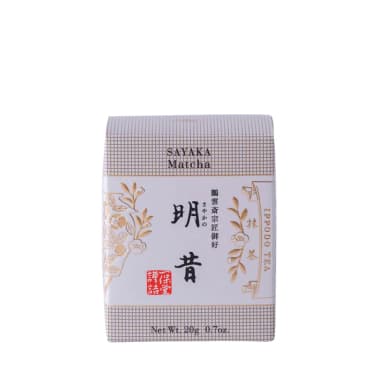
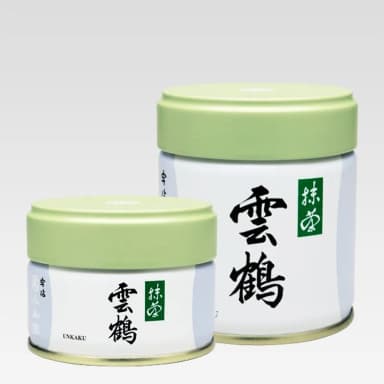
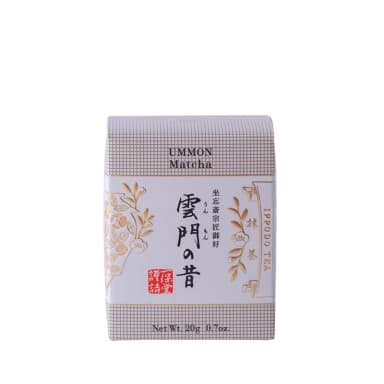
Entry tier: Ippodo Sayaka (umami 7, bitter 3, sweet 6, body 6, in stock). Marukyu Yugen (umami 7, bitter 4, sweet 7, body 6) is out of stock at every seller we checked on 2026-10-05. Winner: Ippodo Sayaka — bitter 3 is the lowest of any entry-tier blend in the dataset, $1.40/serving at 2g, but note it's not carried by Ippodo's US store right now — order it from Ippodo's Japan site. If you want a US-warehouse ship, step up to Ippodo Kan from Ippodo's US store. Avoid at this tier: Ippodo Wakaki (bitter 7) — too high for enjoyable daily use. Lower-mid tier: Ippodo Kan (umami 8, bitter 3, sweet 8, body 7, in stock), Marukyu Wako (umami 8, bitter 3, sweet 6, body 7, in stock). Winner: Ippodo Kan — sweet 8 exceeds bitter 3 for the first time on Ippodo's ladder; the blend where umami and sweetness start to dominate. Most experienced daily drinkers eventually land here. At 2g/day: $2.20/serving. Runner-up: Marukyu Wako — drier and greener, fuller body, ships from Japan (7–14 days, restock Monday/Wednesday/Friday). Upper-mid tier: Marukyu Unkaku (umami 9, bitter 2, sweet 8, body 9, in stock), Ippodo Seiun (umami 9, bitter 2, sweet 8, body 8, in stock). Winner: Marukyu Unkaku — the highest protocol scores in the dataset at this price point and the best-value daily matcha by score-per-dollar. At 2g/day: $3.15/serving. If lead time matters more than a few cents per gram, Ippodo Seiun (comparable scores, ships from US warehouse in 3–5 days) is the correct alternative. Top of the under-$2/g band: Ippodo Ummon-no-Mukashi (umami 9, bitter 2, $1.59/g from Ippodo's Japan store), in stock as of 2026-10-05. Marukyu Eiju (umami 9, bitter 1) scores higher but costs $2.28/g, above this guide's line — at 2g/day that is $4.56/serving, $1,664/year, and the diminishing returns are real for most palates.
03
How much matcha should I budget for daily drinking?
At Marukyu Unkaku: 1g/day (thin usucha) costs $48/month ($577/year); 2g/day (standard) costs $97/month ($1,154/year); 3g/day (koicha-thick or latte volume) costs $145/month ($1,735/year). Standard usucha is 1.5–2g per 60–80ml water. Most daily drinkers use 2g. For lattes, 2–3g per drink is typical for flavor strength. The cost-per-serving math matters: a $30 tin works out to $0.75–$1.50/serving depending on dose. Most daily drinkers spending $80–$100/month on coffee find daily matcha cost-comparable or cheaper at the lower-mid tier.
04
Can I use the same matcha for daily drinking and for ceremony?
Not optimally. Ceremony (koicha or thin tea for guests) benefits from blends at $2.00+/g with bitter 1–2 and maximum umami — profiles that reward slow contemplation and clean palates. Daily drinking benefits from consistency and value in the mid tier. The practical recommendation: maintain two matcha stocks. A daily driver (Marukyu Unkaku or Ippodo Kan) and an occasional ceremony matcha (Marukyu Eiju or Ippodo Kuon). The cost discipline of a daily driver makes the ceremony matcha feel special rather than routine.