01
Is Kagoshima matcha better than Uji now that Uji is short on supply?
Not better — different. Kagoshima in 2025 surpassed Shizuoka as Japan's top first-flush producer, producing approximately 30,000 tonnes (up 11% year-on-year). Uji (Kyoto prefecture) holds a much smaller total volume, but its tencha commands a 30–60% wholesale price premium over equivalent-grade Kagoshima matcha in 2026. Uji's tencha production fell roughly 40% from its 2023 baseline due to weather damage during the 2024 spring harvest. Kagoshima held production volume steady because its flat terrain allows mechanized, shade-netting operations less vulnerable to the disruptions that hit Uji's hillside hand-picked fields. The two regions are not interchangeable at premium grades. Kagoshima: flat volcanic lowlands, mechanized large-scale, consistent volume, bright and lighter umami, grassy profile, stable abundant supply, wholesale price 20–30% below average. Uji: hillside terraced, hand-picked labor-intensive, weather-sensitive, dense umami with thicker body and more L-theanine, constrained at 75–85% of pre-shortage baseline, wholesale price 30–60% above average.
02
Why do premium brands use Uji if Kagoshima has more supply?
Two reasons: flavor and story. On flavor: Uji's cooler, shadier microclimate produces higher L-theanine concentrations. In independent analysis, Uji tencha shows measurably denser umami profiles than equivalent-grade Kagoshima product. This is not marketing — it reflects a real difference in how the plants respond to the terroir. On story: Uji is the historical origin of Japanese tea culture. Matcha ceremony was codified there. For brands competing at premium retail prices, the origin story is inseparable from the price. "Certified Kagoshima ceremonial" does not carry equivalent narrative weight in the premium-buyer segment. Kagoshima expansion is real relief for the market at latte-grade and culinary-grade tiers, but limited relief for brands positioned at mid-ceremonial and above, where Uji provenance is either specified or implied.
03
Which brands use Kagoshima vs Uji matcha?
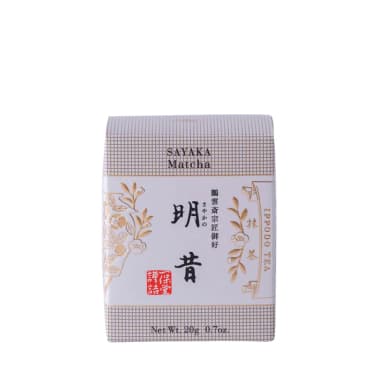
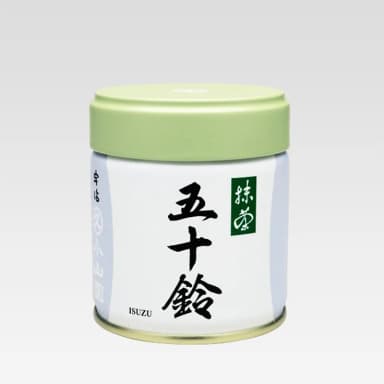
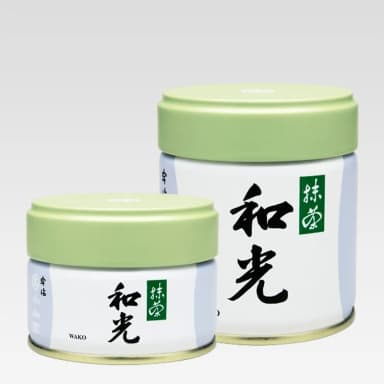
Brands that specify Uji provenance: Ippodo (all blends sourced from Uji region producers; 6 of 7 in stock at its own store as of 2026-09-10, Kuon temporarily out); Marukyu Koyamaen (Uji-sourced, 7/7 in stock at its own store). Brands with significant Kagoshima supply: AOI Tea (Kagoshima focused, mechanized scale, available at latte-tier pricing); many US café and café-supply brands (unlabeled "ceremonial" products are predominantly Kagoshima). Brands that do not disclose origin: most mid-market US retail brands (Amazon, Whole Foods tier) — cannot be verified without direct sourcing inquiry. If you're buying unlabeled "ceremonial" priced below the entry-ceremonial floor, it's almost certainly Kagoshima or Chinese-sourced.
04
Will Kagoshima fix the matcha shortage?
Partially, and only at lower tiers. Kyoto prefecture's own projections suggest Uji tencha production will recover to 75–85% of pre-shortage baseline in 2026, contingent on favorable spring weather. That's not full recovery — it's a partial bounce from the 2024 low. Full recovery requires 5-year growing cycles from new plantings, which MAFF subsidies are encouraging but cannot accelerate. Kagoshima's volume growth absorbs demand at culinary and latte tiers — where most café matcha is sourced — and may prevent shortage from reaching those segments. The true shortage is at the top: Uji ceremonial, hand-picked, first-harvest. Kagoshima cannot fill that gap by definition. If you want premium ceremonial-grade Uji matcha at any price point, shortage dynamics will remain a factor through at least 2027. If you're sourcing for café/latte use, Kagoshima supply is stable and pricing, while elevated, is not at crisis levels.