01
What is the difference between Okumidori and Samidori?
They are different tea plant varieties with different origins. Kyoto Prefecture's tea research station lists Samidori as a variety selected from Uji native tea and bred in 1954 by Koyama Masajiro, and describes it as excellent for tencha, with bright colour and good flavour. It also notes the plant grows very upright, which makes hand-picking easy. Mie Prefecture's variety sheet lists Okumidori as a cross of Yabukita and a Shizuoka native selection, bred at the national vegetable and tea research institute at Kanaya, and says it follows Yabukita in popularity in Mie's kabusecha (shaded tea) areas. Neither source ranks them by taste, and we do not have a sourced taste comparison.
02
Which matcha products state their cultivar?
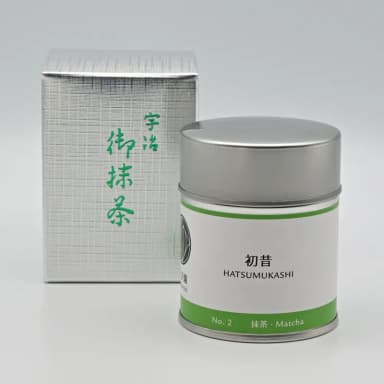
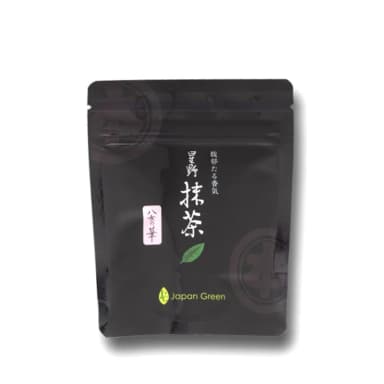
Few do. TOBI-EN's own page for Hatsumukashi lists the cultivar as Samidori, with spring 2026 first-flush leaves hand-picked from shaded Uji fields and stone-ground, for koicha or usucha. Hoshino Seichaen says its Yame no Hana is made mainly from Okumidori. We removed the other Okumidori and Samidori labels this guide used to carry (Marukyu Aoarashi and Wako, Ippodo Sayaka and Ummon-no-Mukashi): the Ippodo product pages and the archived Marukyu product pages (May 2025 copies; Marukyu's live site blocks automated reads) do not name a cultivar, so we cannot confirm them. A product name does not show the cultivar either. Samidori from Yamamasa Koyamaen is a product name, not a cultivar statement.
03
How should you choose between them?
Not by cultivar alone. Most makers do not say which cultivar goes into a tin, and shading, harvest, blending and milling shape the cup as much as the plant does. Read the maker's own product page, then the People report on each blend page, which summarises what drinkers say about their own cups.