01
Is Ippodo matcha in stock in 2026?
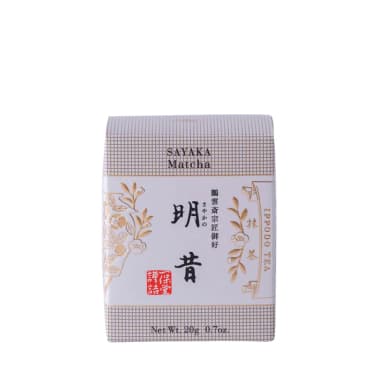
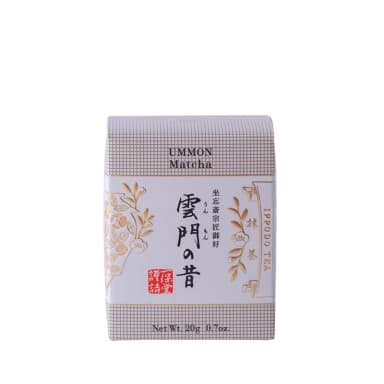
Mostly — 6 of 7 blends at Ippodo's own US store, as of 2026-09-10. Kuon is temporarily out direct from Ippodo (it's usually one of the two brands, alongside Marukyu Koyamaen, that hold full availability through the 2026 global matcha shortage — this is the first gap either has shown in months). Their own site notes that "all of our matcha varieties are currently limited and sell out quickly after restocking" — the key word is restocking; Ippodo blends cycle through rather than disappearing entirely, and Kuon is expected to follow that pattern. The reason Ippodo holds availability when most specialty importers can't: 300+ years of direct relationships with Uji tencha producers, with allocation agreements built before the current shortage compressed supply. When the 2025 Uji tencha auction cleared at ¥10,251/kg (up from ¥4,089/kg the prior year), Ippodo's pre-negotiated allocations insulated their retail lineup. Current status at Ippodo's US store (2026-09-10): Wakaki (bitter 7) in stock, Ikuyo (bitter 5) in stock, Kan (umami 8, sweet 8) in stock, Seiun (umami 9, bitter 2) in stock, Ummon-no-Mukashi (umami 9, body 9) in stock, Kanza (umami 10, body 10) in stock, Kuon (bitter 1, body 9) out of stock. Sayaka (bitter 3, umami 7) isn't carried by the US store at all — order it from Ippodo's Japan site. Available at ippodotea.com (US) and global.ippodo-tea.co.jp.
02
Which Ippodo matcha should I order right now?
For daily usucha: Sayaka — bitterness 3, umami 7, the safest first purchase. Kan is the step up: sweetness 8 exceeds bitterness for the first time in the lineup, and the body firms up noticeably. For a serious daily driver: Seiun — umami 9 with bitterness 2, the best score-per-dollar in the Ippodo lineup by our scores. For lattes and milk drinks: Wakaki or Ikuyo; bitterness holds up through milk and there's no reason to pay above entry-tier prices for drinks where milk masks the upper register. For koicha or ceremony: Kanza (Kuon shares its bitterness-1 profile but is currently out of stock — set a restock alert). Bitterness 1 in both — the lowest in our entire database. The one to avoid if you're new: Wakaki. It's deliberately designed to build tolerance — bitterness 7 is the highest in the Ippodo lineup, and most beginners who start here conclude they dislike matcha.
03
How does Ippodo compare to other brands that are in stock?
Ippodo and Marukyu Koyamaen are the only two premium Uji brands at full availability in 2026. Ippodo covers more price tiers — including the ultra-premium koicha range above Marukyu's retail ceiling. Marukyu's Unkaku (umami 9, body 9) beats the comparable Ippodo Seiun (umami 9, body 8) on score-per-dollar at the upper-mid tier. If you want maximum umami per dollar around that range, Marukyu wins. If you want the full range from beginner to ceremony-grade under one brand, Ippodo covers it.
04
Will Ippodo matcha go out of stock in 2026?
Individual blends restock on unpredictable cycles — Kuon is out as of this pass, the first gap in Ippodo's US-store lineup in months. When a blend goes out, restock wait times stretched from a few days to a few weeks in 2025–2026. The safest approach: order at current stock — Ippodo's US site (ippodotea.com) ships from a US warehouse and arrives in 3–5 days, faster than waiting for a restock. Note: Ippodo announced in 2026 that some matcha tins (Kanza, Kuon) are switching to box packaging. This is a packaging change, not a supply signal — but it can confuse searches for the tin format.