01
What matcha is best for lattes under $50?
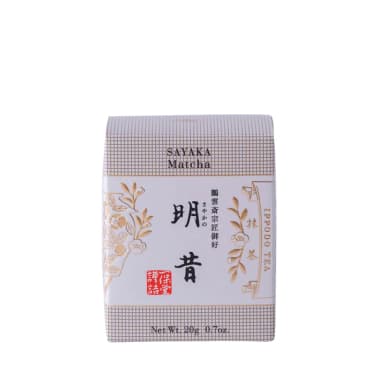
Ippodo Kan, $22 for 20g ($1.10/g). Umami 8, bitterness 3, sweetness 8 — the sweetness is what survives the milk, so you still taste tea rather than green-tinted dairy. A 20g bag is 6 to 10 lattes at a 2–3g dose, which works out around $2.50 a drink. For a bigger bag, Marukyu Aoarashi is $26.79 for 40g ($0.67/g) at Ujicha Matcha: umami 9, body 8.
02
What's the budget pick?
Kagoshima Seicha Sayaka, about $13.71 for 30g ($0.46/g). Umami 8, bitterness 2, body 6. It is a yen price, so it moves with the exchange rate. For organic in USD: Biroen Smile Tea Organic, $24.80 for 40g ($0.62/g), bitterness 2. It does not fight oat milk.
03
Which scores actually predict a good latte?
Bitterness and body, in that order. Above bitterness 5 the sharpness comes through the milk instead of being covered by it, and below body 6 the tea thins out into the drink and disappears. In stock under $50 a bag, by price: Kagoshima Seicha Sayaka ($13.71, bitterness 2), Ippodo Sayaka ($17.70), Ippodo Kan ($22), Biroen Smile Tea Organic ($24.80) and Marukyu Aoarashi ($26.79, body 8). Marukyu Kinrin is out of stock.
04
What should you not buy for a latte at this budget?
Ippodo Wakaki. Its bitterness 7 is deliberate, and milk does not hide it. Skip Marukyu Eiju too. At $2.27/g, its nuance (umami 9, bitterness 1) is lost in milk.
05
Does a more expensive matcha make a better latte?
Up to about $1.25/g, yes. Kawahara Etenraku ($0.36/g, body 8) to Ippodo Kan ($1.10/g, body 7, sweetness 8) is a real change in the cup — Kan reads sweeter and rounder against milk. Past that the returns collapse: Ippodo Ummon-no-Mukashi at $1.30/g scores umami 9 and body 9 and is a better bowl than either, but whisked into 200ml of milk most of that separation is gone. Spend the difference on a larger bag of something that already works, or drink the expensive one as usucha where you can taste what you paid for.