01
What is the average price per gram for ceremonial matcha?
Skip the true floor — $0.13/g exists, but it's a training-grade blend built for practice sessions, not drinking. Scored, in-stock ceremonial matcha worth buying starts closer to $0.60–0.70/g. Below that you're mostly in culinary or practice-grade territory: thin, low-umami tea meant for cooking or calibrating your whisk technique, not the bowl.
02
How do the brands you actually know stack up on price floor?
Ippodo's cheapest listing is $0.26/g (Wakaki, and it's deliberately bitter — more on that below). Biroen sells one blend, at $0.62/g. Marukyu Koyamaen's floor is $0.67/g, and it's not from Marukyu's own store — a reseller now carries their Aoarashi (also spelled Aorashi) for a third of what Marukyu charges direct. Marusan Koroen is gone from this list entirely — every listing we tracked for them has vanished, no price, no stock, nothing left to compare.
03
What matcha is worth buying under $1 per gram?
Twenty-one in-stock blends with full tasting scores now come in under $1/g — three times the field this comparison covered a few months ago. The call: Marukyu Aoarashi at $0.67/g through Ujicha Matcha, not Marukyu's own storefront, where the same tin runs $1.60/g. Umami 9, bitterness 2, body 8 — dense and savory, the kind of matcha that coats your mouth and stays there after you swallow. Nothing else under $1/g touches that combination.
04
What's the safer under-$1 pick if you want a familiar name?
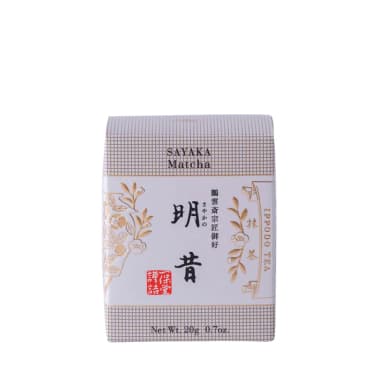
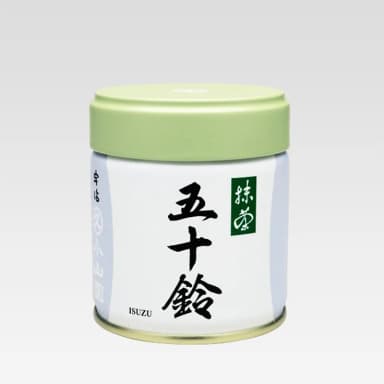
Ippodo Sayaka ($0.70/g) and Marukyu Isuzu ($0.71/g) are both clean, low-drama ceremonial — bitterness 3 and 5, silky rather than sharp. Don't lead with Ippodo Wakaki ($0.26/g). Bitterness 7 makes it unsuitable for anyone except deliberate beginners building tolerance; Ippodo built it as a training matcha, not a bargain.
05
What does $1–$2 per gram get you?
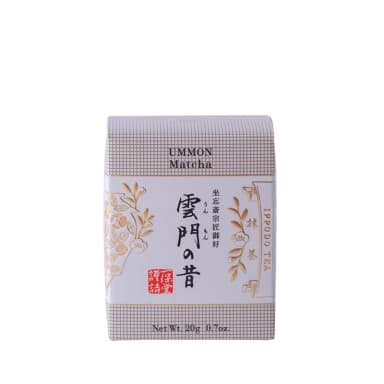
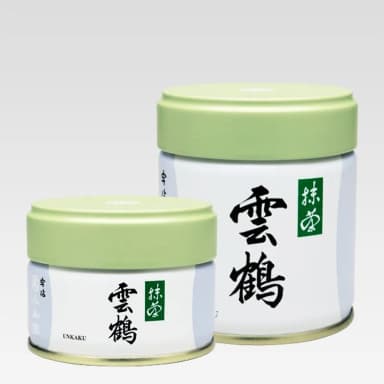
Ippodo Ummon-no-Mukashi matches Marukyu Unkaku's exact profile — umami 9, bitterness 2, sweetness 8, body 9 — for less, but which storefront you buy from matters more than the brand at this tier. Ippodo's Japan store prices Ummon at $1.28/g; Ippodo's US store runs $2.05/g for the same tin, and Kanso Tea sells it at $2.25/g. Marukyu Unkaku is steadier at $1.58/g direct, no storefront gap to navigate. If you don't want to compare three listings before buying, take Unkaku.
06
Any other standouts between $1 and $2?
Ippodo Kan ($1.10/g, sweetness 8) and Marukyu Wako ($1.10/g, sweetness 6) split on sweetness — Kan finishes noticeably sweeter, Wako drier and more body-forward. Marukyu Kinrin ($1.48/g, umami 8, body 8) would sit between them and Ummon, but it is out of stock at every seller we checked on 2026-10-05.
07
Is premium matcha ($3+/g) worth it?
For daily drinking, no. Ippodo Seiun ($1.68/g, umami 9, body 8) to Ippodo Kanza ($5.20/g, umami 10, body 10) buys a fuller bowl and a cleaner finish. It is real, but not worth three times the price. For koicha, it changes. A 6g bowl at $5+/g costs $30 or more, and thick tea magnifies bitterness. Bitterness 1 against 2 is no longer subtle.
08
Which premium blend is actually the ceiling?
Ippodo Kanza ($5.20/g). Umami 10, bitterness 1, sweetness 10, body 10 — every dimension maxed, silky through the entire bowl with no astringent edge at any point. Ippodo Kuon, previously the mid-premium pick at $3.20/g, is out of stock direct from Ippodo as of this pass. Don't recommend it until that changes.