Guide

Best Matcha for Koicha: Which Blends Are Actually Worth It

Koicha requires high body, low bitterness, and true ceremonial grade. Wrong matcha at thick preparation is chalk. Ranked by body score from our tasting protocol — only 6 in-stock blends qualify.

Ayane Shibata

Written by

Ayane Shibata

Contributing Editor · Koicha evaluation, cultivar characteristics & is-it-worth-it verdicts

June 7, 2026

What makes a matcha suitable for koicha?

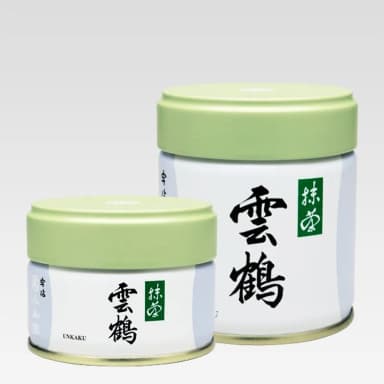
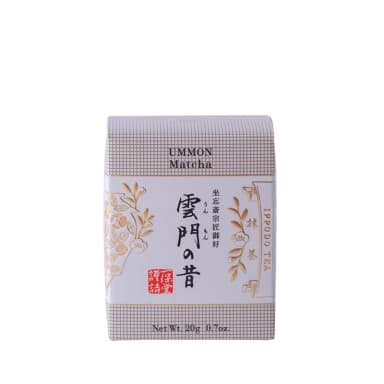
Koicha amplifies everything — the dense preparation fills your mouth, coats your tongue, and lingers. That's the point, but it means bitterness at 4 becomes undrinkable and thin body leaves you with something flat and chalky instead of enveloping. Six in-stock blends clear both bars (body 8+, bitterness 3 or below): Marukyu Unkaku ($1.58/g, body 9), Ippodo Ummon-no-Mukashi ($2.25/g, body 9), Marukyu Eiju ($2.28/g, body 9, bitterness 1), Ippodo Kuon ($3.20/g, body 9, bitterness 1), Kettl Shirakawa Asahi ($3.95/g, body 9), and Ippodo Kanza ($5.20/g, body 10, bitterness 1). Over 80% of blends in our database don't make it.

What is the most affordable koicha-suitable matcha in stock?

Marukyu Unkaku. $1.58/g, body 9, bitterness 2. The next entry point is Ippodo Ummon-no-Mukashi at $2.25/g — $0.67/g more for a near-identical profile. Most body-9 blends in our data cost at least $2.25/g. Unkaku's price is unusual. Marukyu owns their Uji gardens and mills; the margin that would otherwise go to a distributor shows up in the price.

What is the best koicha matcha regardless of price?

Ippodo Kanza ($5.20/g). Umami 10, bitterness 1, sweetness 10, body 10 — the only blend in our data that scores a clean 10 across all four dimensions. A single koicha session costs roughly $20 in matcha. Not a daily drinker; for when the preparation is the point. If that price isn't realistic: Marukyu Eiju ($2.28/g) scores bitterness 1 and body 9. The difference from Kanza is real — Kanza has a sweetness and density that's genuinely its own — but most people who taste both can't say what the extra $2.92/g bought them. Kettl Shirakawa Asahi ($3.95/g) runs more savory at thick preparation (sweetness 7 vs. Kuon's 9), for buyers who want less sweetness in the bowl.

Which matcha should you avoid for koicha?

Anything with bitterness 4 or above. That eliminates the entire latte and culinary tier, Ippodo Wakaki (bitter 7), and most everyday blends. Body 5–6 gives you thin koicha — not unpleasant, just wrong. Good usucha blends that don't belong here: Kettl Soukou (body 5), Ippodo Sayaka (body 6), Ippodo Ikuyo (body 5). Excellent thin tea, wrong bowl for thick preparation.

Current in-stock picks

Verified via our price tracker. Prices may vary.

We may earn a commission on purchases at no cost to you. Affiliate disclosure

Referenced Blends

Matcha mentioned in this guide.

Glossary Terms Referenced

Koicha

Koicha is thick tea, made with much more matcha and far less water than ordinary bowls.

Read more →

Usucha

Usucha is thin tea, the standard whisked way most people drink matcha.

Read more →

Umami

Umami is the savory, brothy depth that makes good matcha feel satisfying rather than simply grassy.

Read more →

Editorial Note

This guide reflects current Yuri Matcha editorial standards. Verdicts are based on structured tasting protocols and verified source data. See our methodology and editorial policy for full details.