01
Is there still a matcha shortage in 2026?
Yes. The shortage is ongoing and primarily affects ceremonial-grade tencha — the shade-grown leaf stone-ground into high-end matcha. As of September 2026, premium and ultra-premium blends are selling out within hours to days of restock. Culinary-grade matcha remains broadly available at elevated prices. The shortage is structural, not weather-cyclical. Uji region tencha production fell approximately 40% in the 2024 harvest from compounding weather damage during the critical spring shading window. The 2025 auction saw prices rise 265% year-over-year — the largest single-year jump in recorded tencha auction history. Early signals point to another tight year in 2026. Japan's export data confirms the demand side: export volume reached 13,125 metric tons in FY2025 (up 42% from the prior year), while export value hit ¥84.7 billion (up 100% year-over-year). One with Tea founder Christian Mauerer projects that shortage conditions will "deepen monthly through August 2026" — the window before the 2026 spring tencha harvest sets next year's available supply pool. He does not expect normalization before 2027.
02
Why is there a matcha shortage?
Three structural forces collided simultaneously. First, demand broke past field capacity. Global matcha market size: USD 41.7B in 2025, growing at 10.6% CAGR. TikTok-driven matcha culture accelerated adoption faster than any prior growth wave. The latte boom shifted premium ceremonial-grade matcha — historically used sparingly in tea ceremony — into everyday Western consumption. This is not the use pattern the supply chain was built for. Second, tencha takes 4–5 years to plant. A decision made today yields harvestable product no earlier than 2030–2031. Japan's MAFF has announced subsidies for field conversion, but subsidy announcements do not accelerate plant maturity. Third, farmer attrition was severe over two decades. Between 2000 and 2020, 4 of every 5 Japanese tea producers exited the industry — mostly retirements without successors. The labor base for hand-picked Uji tencha has contracted severely just as demand peaked.
03
Which matcha is hardest to find right now?
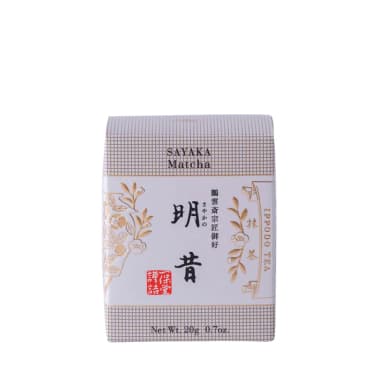
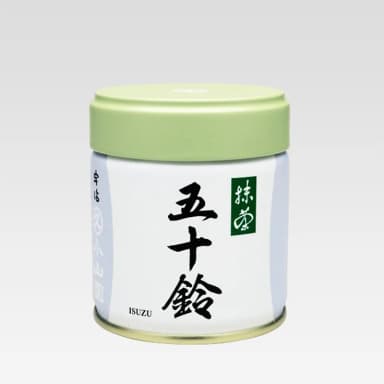
The shortage is grade-specific. In order of scarcity: (1) First-harvest (ichibancha) ceremonial — most affected; extremely limited annual supply, sells out in hours in May. (2) Named single-farm or single-cultivar blends — limited-allocation imports; high OOS rates. (3) Premium ceremonial from Uji — ongoing OOS at many US importers. (4) Entry ceremonial — more available; Ippodo and Marukyu Koyamaen maintaining mostly-full lineups via direct relationships (Ippodo currently has one blend, Kuon, temporarily out at its own store). (5) Culinary grade — broadly available. Ippodo's own site states: "All of our matcha varieties are currently limited and sell out quickly after restocking." Marukyu Koyamaen announced "limited availability for all matcha products" in October 2024, but has maintained its full 7-blend retail catalog through direct-from-Japan DTC fulfillment.
04
When will the matcha shortage end?
Not before 2027, and full normalization is likely 2029–2030. The timeline: H2 2026 — new tencha plantings from 2025–2026 expansion reach 2nd–3rd year; no yield yet. 2027 — MAFF subsidy-backed field conversions may begin producing low-yield crops. 2028–2029 — first meaningful new supply from recently planted tencha. 2029–2030 — full production from recent plantings; first potential normalization window. Kagoshima's mechanized, large-scale operations are partially filling the gap at latte and culinary tiers, but they cannot replace Uji ceremonial quality and are not equipped to produce the hand-picked, shade-grown tencha premium brands specify. Retail prices are expected to continue rising as 2024–2025 inventory works through the supply chain.